Why Braces Can Make Playing Instruments Feel Hard at First
Braces change how the mouth feels and functions. Teeth shift, soft tissues are more sensitive, and muscle memory has to adjust. For young musicians, that can show up as:- Mouth soreness or irritation
- Pressure against brackets and wires
- Fatigue in the lips, jaw, or cheeks
- Temporary changes in tone or endurance
How Braces Affect Different Types of Instruments
Brass Instruments (Trumpet, Trombone, French Horn, Tuba)
Brass players rely heavily on embouchure, the way the lips press against the mouthpiece. With braces:- Pressure against brackets can cause soreness
- Endurance may drop during longer practice sessions
- Some notes may feel harder to control at first
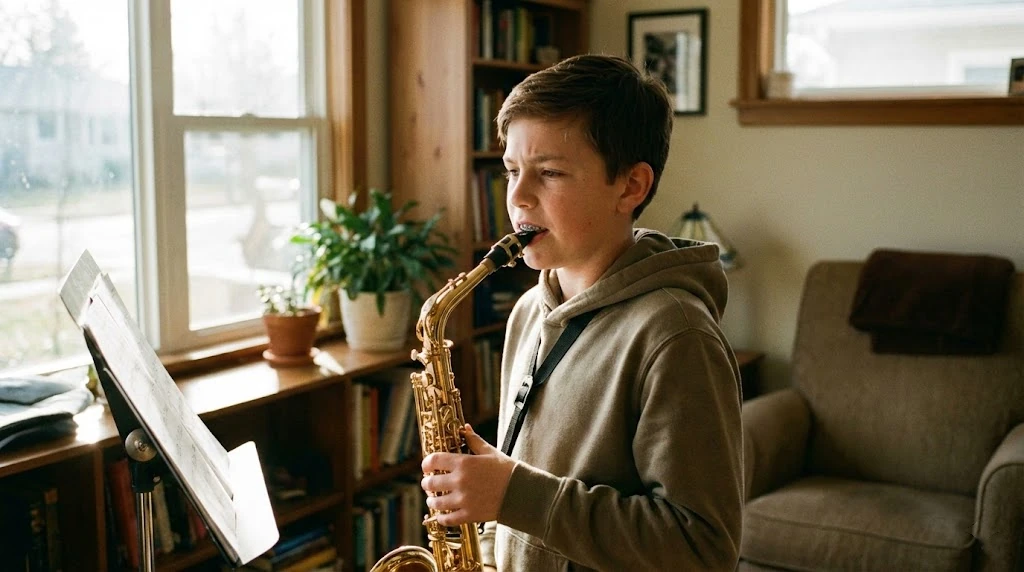
Woodwind Instruments (Flute, Clarinet, Saxophone, Oboe)
Woodwinds require precise lip placement and airflow. With braces:- The mouth may feel crowded or awkward initially
- Tone quality can temporarily change
- Fatigue may set in sooner than usual
What’s Normal—and What’s Not
Normal Adjustment Symptoms
- Mild soreness for a few days after braces are placed or tightened
- Temporary changes in sound quality
- Reduced endurance during practice
When to Check In With a Professional
- Persistent mouth sores or bleeding
- Sharp or worsening pain during or after playing
- Difficulty forming notes even after several weeks
Practical Tips to Help Kids Keep Playing Comfortably
- Use orthodontic wax or mouthguards: Wax creates a barrier between brackets and soft tissue. Some musicians also benefit from specialty mouthguards designed for braces.
- Ease back into practice: Shorter sessions with gradual increases help muscles adapt safely.
- Stay hydrated: Dry mouth increases irritation. Water breaks matter more than you might think.
- Communicate with band directors: Most music teachers are familiar with students adjusting to braces and can help modify expectations temporarily.
- Keep dental appointments consistent: Routine dental and orthodontic care ensures problems are caught early—before they interfere with music or daily life.
Reassurance for Parents (and Kids)
Many professional musicians played through braces as kids. While there may be a short adjustment period, braces rarely derail long-term musical progress. In fact, learning to adapt builds resilience—and teaches kids that setbacks don’t mean stopping something they love.Supporting Your Child’s Smile and Their Passions
Orthodontic care is an investment in your child’s health and confidence. With the right guidance, it doesn’t have to come at the cost of their interests. Access to regular dental care, second opinions, and affordable treatment options can make navigating this stage much easier for families—especially when unexpected challenges arise.Final Thought
Braces may change how music feels for a little while—but they don’t have to change who your child is. With patience, support, and a few smart adjustments, kids can keep playing, growing, and smiling through it all.Braces and Band FAQ
Updated for 2026.
Can kids play musical instruments with braces?
Yes. Most children can safely continue playing musical instruments while wearing braces. There is often a short adjustment period as the mouth, lips, and muscles adapt, but braces rarely require a child to stop playing altogether.
How long does it take to adjust to playing an instrument with braces?
Adjustment time varies, but many kids adapt within one to two weeks after braces are placed or tightened. During this period, temporary soreness, reduced endurance, or changes in sound quality are common and usually improve with practice and time.
Do braces affect brass and woodwind instruments differently?
Yes. Brass instruments place direct pressure on the lips against the braces, which can cause soreness at first. Woodwind players may notice changes in embouchure or airflow. Both typically improve as muscles adapt and protective measures like orthodontic wax are used.
What can help reduce mouth pain while playing an instrument with braces?
Orthodontic wax, specialty mouthguards designed for braces, shorter practice sessions, and staying well hydrated can all help reduce irritation. Gradually increasing practice time instead of pushing through discomfort is also recommended.
Is it normal for a child’s sound or endurance to change with braces?
Yes. Temporary changes in tone quality or stamina are normal during the adjustment period. These changes are usually short-lived and improve as the child becomes accustomed to the braces.
When should a parent consult a dentist or orthodontist?
If a child experiences persistent sores, bleeding, sharp pain, or difficulty playing even after several weeks, it’s a good idea to consult a dental professional. Small orthodontic adjustments can often make playing more comfortable.