Updated for 2026 to reflect current dental implant costs, treatment options, and affordability strategies.
Dental implants are one of the most reliable and natural-looking ways to replace missing teeth. If you’ve been living with a gap, a loose denture, or a bridge that no longer feels secure, implants may be a long-term solution worth considering.
Many people delay implant treatment because of cost concerns or uncertainty about the process. The good news: today’s implant dentistry is more precise and often more efficient than it was just a few years ago, and there are more ways to manage the cost than most people realize.
Prefer video? Watch our quick explainer on dental implants below.
What Are Dental Implants?
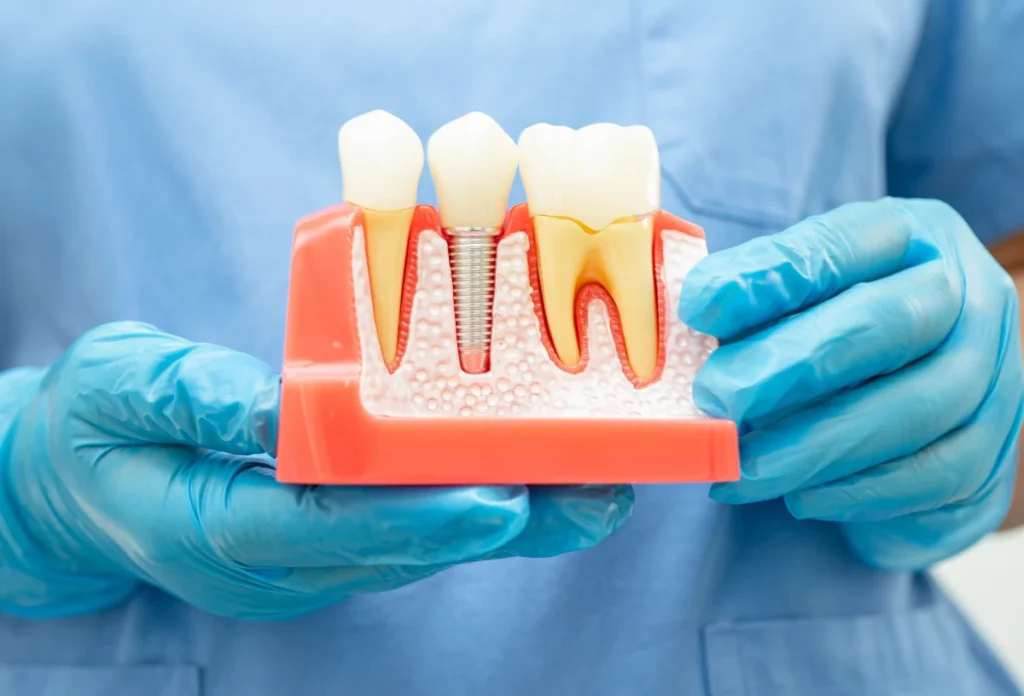
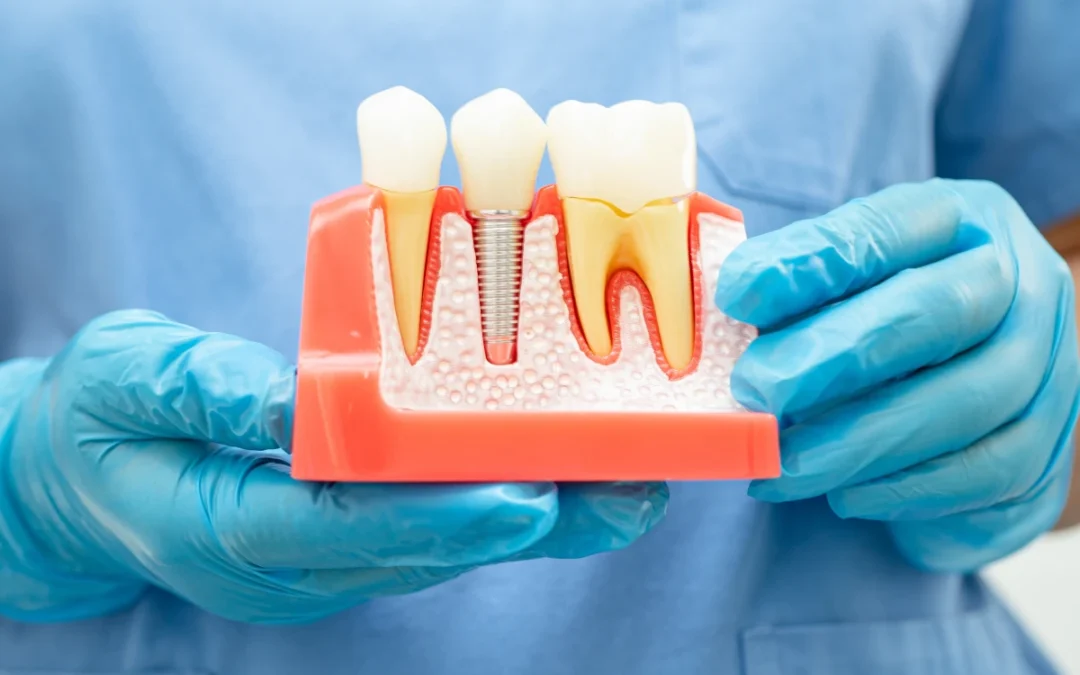
A dental implant is a small titanium post that is placed into the jawbone to replace the root of a missing tooth. After the implant integrates with the bone, it can support a replacement tooth (a crown), a bridge, or a denture.
Because an implant is anchored in bone, it can feel more like a natural tooth than removable options—and it can help support long-term oral function.
Types of Dental Implants
There are two primary types of dental implants. Most patients today receive the first option.
Endosteal Implants
- Placed directly into the jawbone
- Typically shaped like small screws or cylinders
- The most common and widely recommended option
- May require adequate bone density (or bone grafting if bone is thin)
Subperiosteal Implants
- Placed on top of the jawbone but beneath the gum tissue
- Sometimes used when a patient does not have enough healthy jawbone
- Less common today because modern grafting and planning often make endosteal implants possible
Your dentist, oral surgeon, or periodontist will recommend the best option based on your bone structure, oral health, and treatment goals.
Structure of an Implant Restoration
A complete implant tooth replacement typically includes three parts:
- The implant post – surgically placed into the jawbone
- The abutment – a connector piece attached to the implant
- The crown – the visible, tooth-shaped restoration
Together, these pieces create a stable replacement that can look and function much like a natural tooth.
Advantages of Dental Implants
Dental implants offer several benefits compared with traditional bridges and dentures:
- A natural appearance and feel
- Improved chewing and speech
- No reliance on neighboring teeth for support (as with some bridges)
- Long-term durability with proper care
- Better stability than removable dentures
Another important benefit: when an implant is placed, it can help reduce jawbone deterioration that sometimes occurs after tooth loss.
How Much Do Dental Implants Cost in 2026?
In 2026, most single dental implants in the U.S. fall within a broad range of several thousand dollars, depending on location, materials, and preparatory work.
Dental implant costs vary widely depending on your location, the provider, the materials used, and whether additional procedures are needed (like extractions or bone grafting).
Typical U.S. ranges (2025–2026 guidance):
- Single tooth implant (implant + abutment + crown): often falls in the broad range of about $3,000–$6,000
- Implant-only component: may be quoted separately by some offices (with the crown/abutment billed in addition)
- All-on-4 / full-arch solutions: can range widely and may reach tens of thousands per arch depending on materials and complexity
Additional costs may include:
- Consultation and diagnostics (X-rays / 3D imaging)
- Extractions
- Bone grafting or sinus lift (when needed)
- Temporary restorations during healing
Important: implant fees are not “one-size-fits-all.” The most accurate way to understand your cost is a treatment plan that breaks out each step (surgery, parts, crown, and any preparatory work).
For some patients, a crown or root canal may be part of the implant process, depending on the condition of the surrounding teeth.
Are Dental Implants Worth the Cost?
For many patients, yes—especially when viewed as a long-term solution rather than a short-term fix.
While implants can cost more upfront than a denture or a traditional bridge, they often last longer and can reduce the need for future replacements and repairs. They also tend to feel more stable in everyday life.
Ways to Make Dental Implants More Affordable
1) Dental Savings Plans
Dental discount plans (sometimes called dental savings plans) can reduce the price you pay at participating dentists. For major procedures like implants, that discount can make a meaningful difference—especially for patients who don’t have traditional dental insurance. See pricing for implants and other procedures in your area with a 1Dental discount plan
2) FSA and HSA Funds
Many dental treatments are eligible medical expenses under common FSA/HSA rules, and dental implants are frequently included as eligible dental treatment expenses (especially when not purely cosmetic). Rules can vary by plan administrator, so it’s smart to confirm your specific plan’s requirements and documentation needs.
If you have FSA carryover or HSA funds available at the start of the year, it can be a great time to finally address dental work you’ve been putting off.
Eligibility can depend on medical necessity and plan documentation requirements, so it’s always wise to confirm details with your plan administrator.
3) In-Office Financing or Payment Plans
Many dental offices offer financing options that spread the cost over time. Ask your provider what programs are available and whether there are interest-free promotional periods.
Dental Implants vs. Dentures: Which Is Better?
Both options can help replace missing teeth, but they solve different problems.
- Implants are fixed in place, feel more stable, and can support normal chewing more comfortably for many patients.
- Dentures are removable and may cost less upfront, but can require adjustments, relines, or replacement over time.
Your best option depends on your oral health, bone support, comfort preferences, and budget.
Questions to Ask Before Getting Dental Implants
Before you move forward, ask your dentist (or specialist) questions like these:
- Am I a good candidate for implants?
- Will I need a bone graft or other preparatory work?
- What is the full cost breakdown (implant, abutment, crown, imaging, and any added procedures)?
- How long will the process take from start to finish?
- What warranties or guarantees apply to the implant and crown?
- What savings options are available (discount plans, financing, etc.)?
Conclusion
Dental implants remain one of the most effective long-term solutions for missing teeth. With modern planning tools and more flexible ways to manage cost, many patients are able to pursue treatment sooner than they thought.
If you’ve been postponing major dental work, the start of a new year can be a practical time to explore options—especially if you have FSA carryover or HSA funds available and want to start 2026 with a healthier, more confident smile.
Dental Implants FAQ
Updated for 2026.
How long do dental implants last?
With good oral hygiene and regular dental care, dental implants can last for many years—and often decades. Longevity depends on factors like overall health, gum health, bite forces (grinding/clenching), and whether you keep up with professional cleanings.
How long does the dental implant process take?
The full timeline varies. Many cases take several months from start to finish because the implant needs time to integrate with the jawbone before the final crown is placed. Some patients may need extra steps (like extractions or bone grafting), which can extend the timeline.
Are dental implants painful?
Most patients report that implant placement is more manageable than they expected. During the procedure, local anesthesia is used. Afterward, it’s common to have some soreness or swelling for a few days, which is often managed with recommended aftercare and over-the-counter medications (as advised by your provider).
What factors affect the cost of dental implants?
Implant cost is not one-size-fits-all. The total cost can be influenced by diagnostics (X-rays/3D imaging), extractions, bone grafting or sinus lift (if needed), the implant brand/materials, the type of crown used, and your location/provider fees. The best way to compare prices is to request a written treatment plan that itemizes each component.
Can I use FSA or HSA funds to pay for dental implants?
Many dental treatments may qualify as eligible expenses under common FSA/HSA rules, and dental implants are often included when they are medically necessary (not purely cosmetic). Eligibility and documentation requirements vary by plan administrator, so confirm your plan rules before paying and keep itemized receipts.
Am I a good candidate for dental implants?
Many adults are candidates, but it depends on gum health, bone support, and overall medical factors. If bone is thin or has receded, bone grafting may be recommended. A dental exam and imaging are the fastest way to know what options are realistic for your specific situation.